
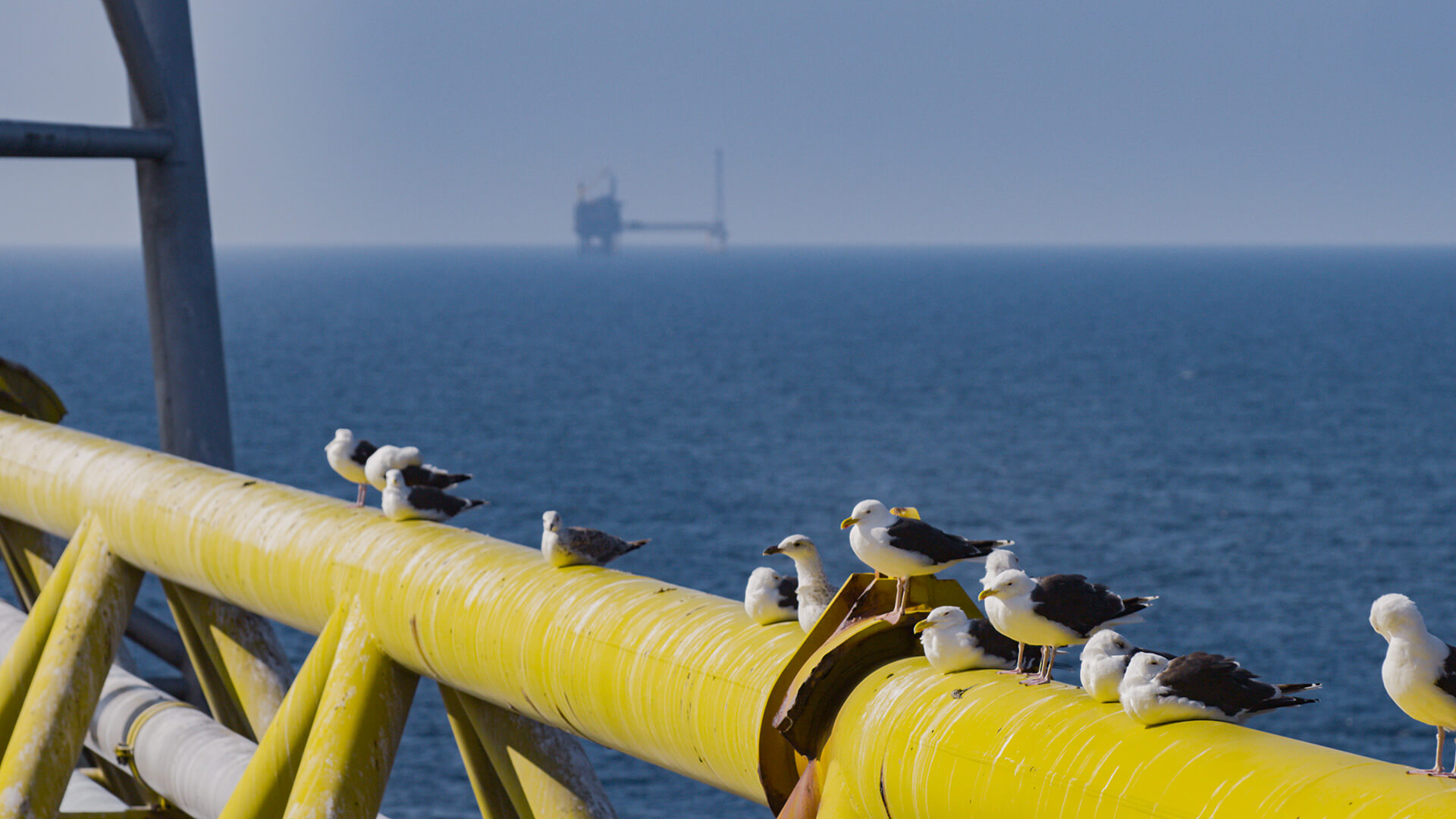
Sharing insights into the life around our platforms
Care for the environment is a fundamental responsibility that we must all share. Every action we take today has an effect on the planet’s wellbeing for future generations. Conscious efforts to reduce waste, conserve biodiversity, and reduce environmental impacts are essential elements in TotalEnergies’ environmental work.
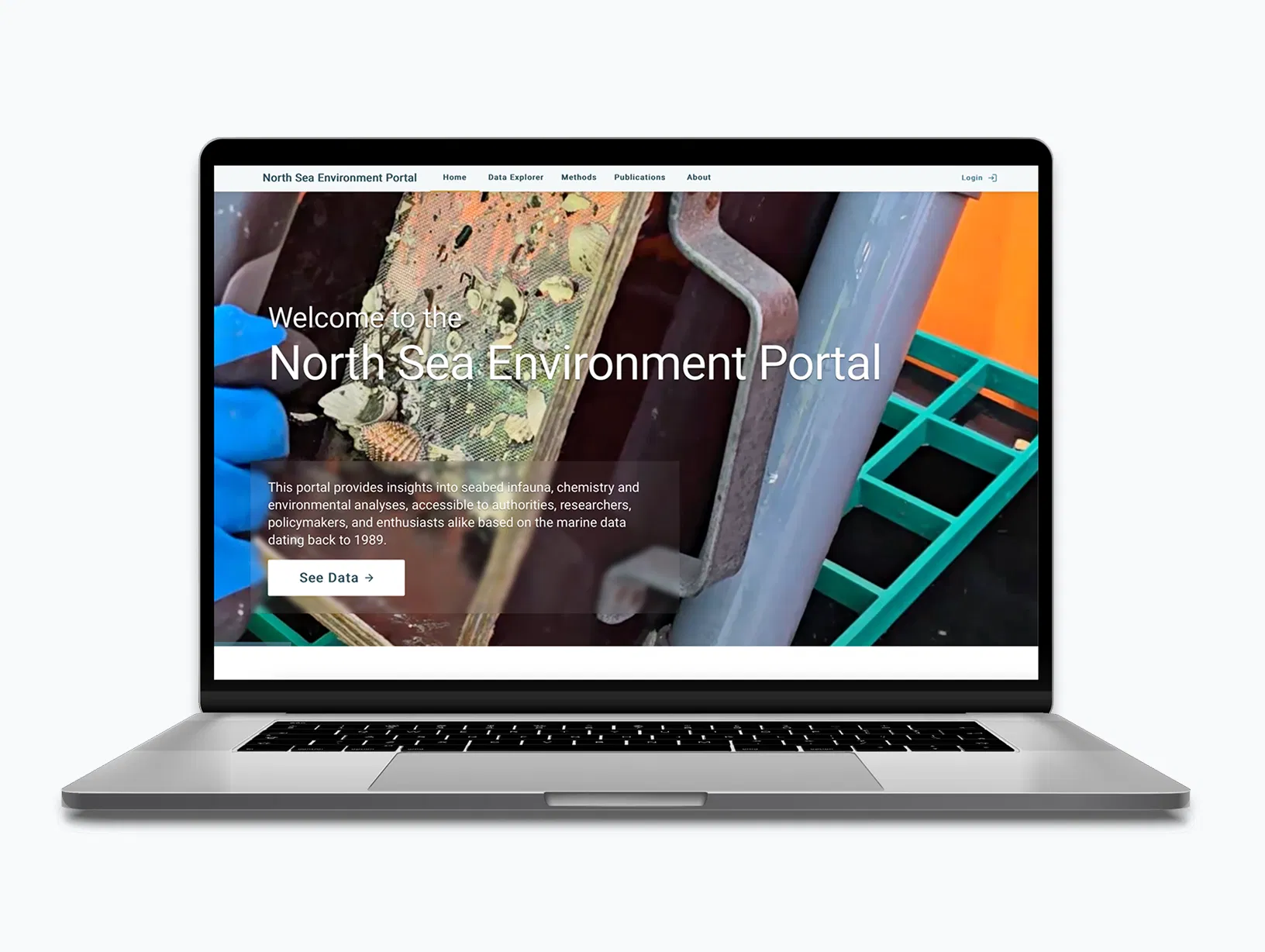
A key initiative in 2024 was the launch of the North Sea Environment Portal, led by TotalEnergies EP Denmark in collaboration with Nordsøfonden, BlueNord, and DHI. This portal pioneers a new wave of data accessibility aimed at fostering responsible environmental management and energy development in the North Sea.
For the first time, detailed insights into the seabed, biodiversity, and environmental impacts from oil and gas platforms are publicly available in one place: the North Sea Environment Portal.
The portal launched in December 2024 provides public access to more than 40 years of data collected around the oil and gas installations in the Danish North Sea, showcasing marine environment and its rich biodiversity, allowing users to explore the data using advanced visualization tools coupled with great geographical precision.
With over 10,000 independent data points covering seabed chemistry, biodiversity and MSFD criteria, the North Sea Portal is a resource for research and informed management of offshore energy infrastructure and the surrounding marine life. It also supports the ongoing dialogue on responsible development in one of Europe’s most vital and biologically diverse marine environments.
The ambition is that the portal will play a crucial role in integrating future offshore energy facilities with responsible management of marine ecosystems, supporting development of the future renewable energy infrastructure alongside governing agencies, researchers and public decision-makers.
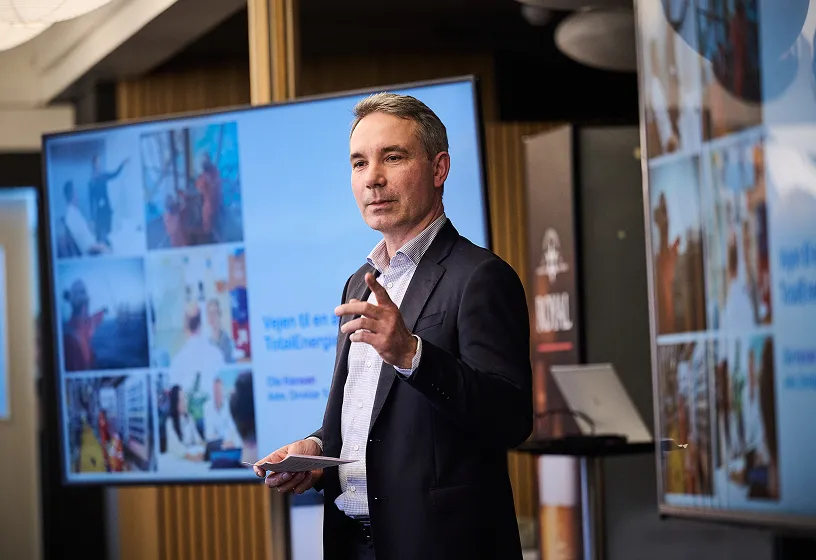

Magnus Heunicke, Denmark’s Minister for Environment and Gender Equality, spoke at the launch event and praised the initiative of establishing the North Sea Environment Portal.

The BioRigs project
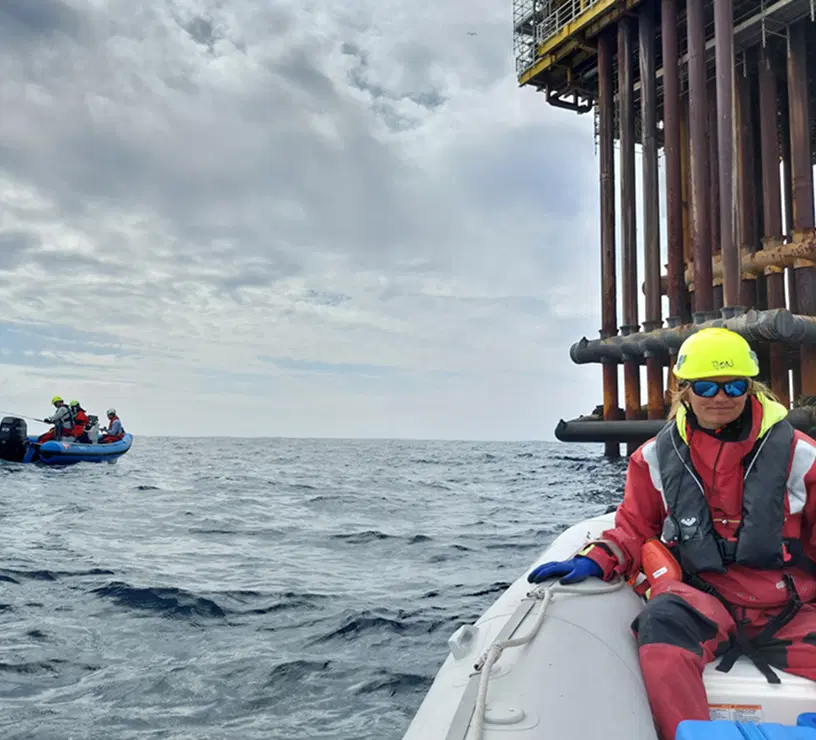
The BioRigs project, nicknamed the “Cod project”, continued in collaboration with DTU Aqua, Aarhus University and DHI. By monitoring marine species of high socioeconomic significance, such as cod, and biologically significant marine mammals, such as harbor porpoises around the platforms, the researchers aim to understand the role of these installations as feeding, spawning, and sheltering grounds for marine wildlife.
During 2024, the research team collected data from 12 underwater sensors placed around the Skjold platform in the summer of 2023. At the same time, they deployed four new sensors around the Tyra, Harald, Dan and Skjold fields, all operated by TotalEnergies EP Denmark as part of the DUC.
These sensors, known as hydrophones, record the behavior of tagged cod and echolocating marine mammals such as harbor porpoises. Study results of the first project phase indicate that marine life, particularly fish, are more abundant and larger closer to the platforms, and that certain cod individuals spend most of the time around one platform, including during the spawning period. This may indicate that offshore infrastructure acts as spawning hot-spots. These results were successfully presented in a PhD thesis at DTU Aqua. More conclusive studies are planned for the future.
The newly deployed sensors in the second phase of the project also collect insights into the distribution of cod and harbor porpoises between the various platforms to paint a picture of how life underwater may differ depending on the platform’s location and structural design, and whether some structures are more attractive than others.
During 2025, results will be analysed and published. The results will help to determine how offshore platforms contribute to marine biodiversity and whether they aid in preserving fish populations and supporting marine mammals. The project will provide valuable data that can be used not only for the existing platforms but also for planning new infrastructure such as offshore wind farms.
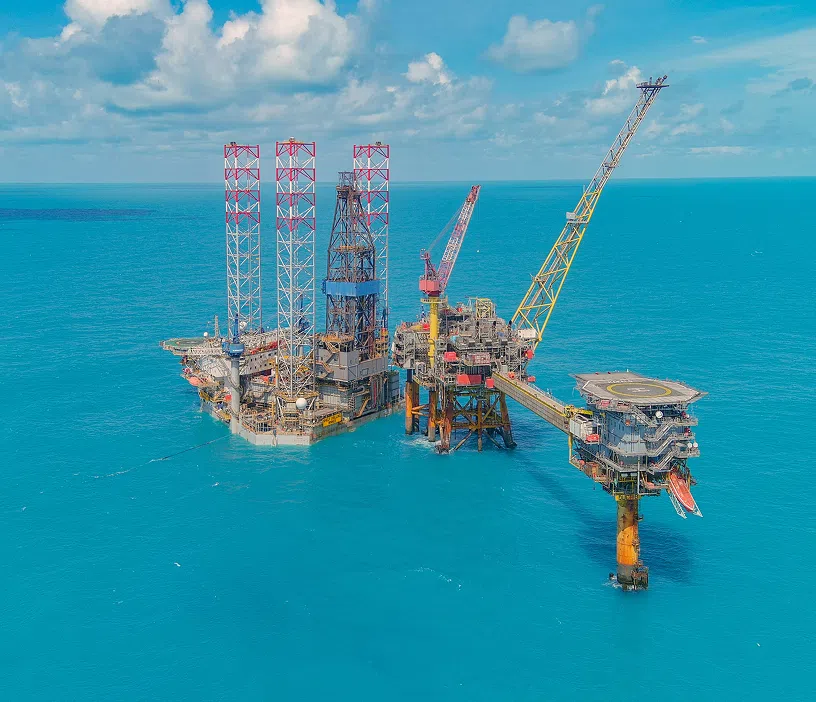
Decommissioning of the North Sea platforms
The oil and gas activities in the Danish North Sea are set to cease production no later than 2050, as agreed in the Danish North Sea agreement. All operating companies are obliged to prepare solid plans for decommissioning of the facilities, well in advance of closure.
Decommissioning will require a well-founded and thorough effort from TotalEnergies. Our focus is to ensure the most environmentally responsible closure of the facilities possible. As the legislation stands today, the platforms must be completely removed, as agreed in the OSPAR convention.
For several years, experts have pointed out that platform structures function as artificial reefs for marine animals and plants. Together with DTU Aqua, Århus University and other leading research institutions, we are investigating whether there could be benefits for biodiversity by leaving the platform legs in place. There will likely be little or no economic savings, as the platform structures above water will need to be removed completely.
Share the story


Next chapter – Creating Shared Value